China is scrapping mandatory quarantine for inbound travellers in a major step towards opening to the world after being largely shut off since 2020.
From January 8, incoming travellers will not longer be required to quarantine for five days at a government-supervised facility, nor three days at home.
It’s the latest in a series of restrictions to be lifted as China continues to ease its strict zero-COVID policy — the last major country to move toward treating COVID-19 as endemic.
China’s management of COVID-19 will also be downgraded to the less strict Category B from the current top-level Category A (that covers diseases such as bubonic plague and cholera).
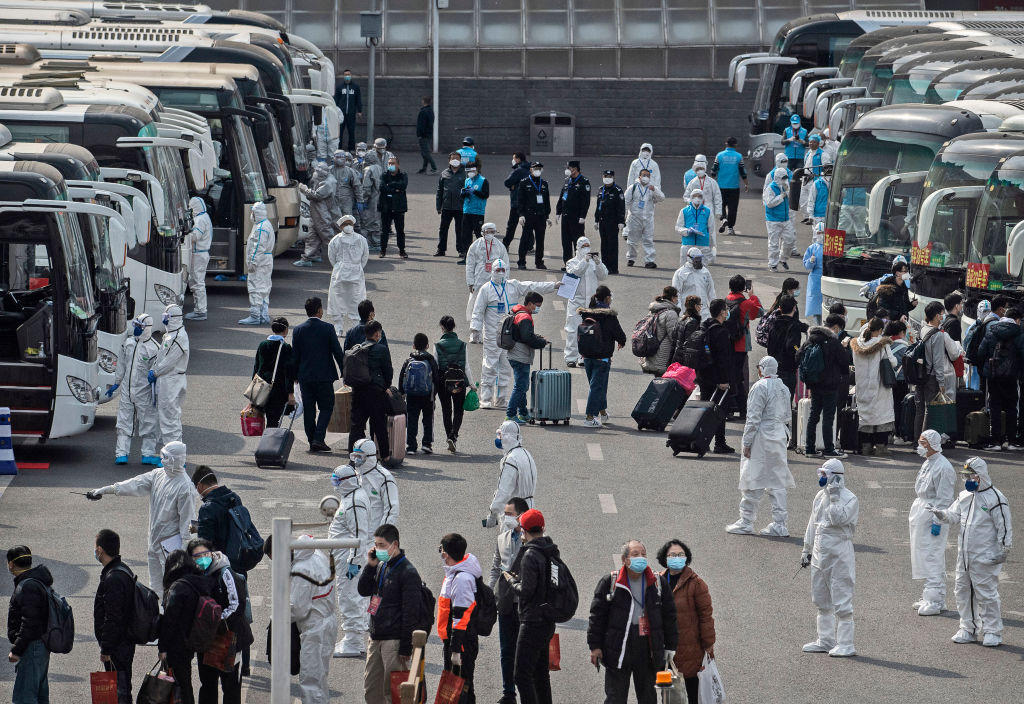
Three years of zero-tolerance measures, from shuttered borders to frequent lockdowns, have battered China’s economy, fuelling the mainland’s biggest show of public discontent since President Xi Jinping took power in 2012.
Containment measures had slowed the $US17 trillion economy to its lowest growth rate in nearly half a century, disrupting global supply chains and trade.
Earlier this month, China began dropping nearly all of its domestic COVID-19 curbs in a move that has left hospitals across the country scrambling to cope with a nationwide wave of infections.
But strict requirements on inbound travellers had remained.
China opens up
Under the new measures, travellers entering China will still have to undergo PCR testing 48 hours before departure.
Arrangements for foreigners to come to China, such as for work and business will be improved and the necessary visas will also be facilitated, the health authority said.
But passenger entry and exit at sea and land ports will gradually resume, while the outbound travel of Chinese nationals will be restored “in an orderly manner”, it said.
While China downgrades its management of the coronavirus, the National Health Commission said epidemic prevention and control protocols at key institutions such as elderly care institutions will be strengthened.
If an outbreak becomes severe, the institution will adopt so-called “closed management” to prevent the spread of infections, the authority said.
China will also further increase the vaccination rate among the elderly, and promote second doses among people at high risk of severe illness.
China is the last major country to move toward treating COVID-19 as endemic.
Its containment measures had slowed the $US17 trillion ($25 trillion) economy to its lowest growth rate in nearly half a century, disrupting global supply chains and trade.


Live News